When to Think About Synthetic Roof Covering Substitute After Repetitive Storm Damages
A roofing can take one major tornado and recoup. It can also take a 2nd event, if the damage is separated and the repair service is succeeded. The difficulty begins when the roofing system gets in a cycle of duplicated influence, patching, and renewed exposure. Then, the choice is no more concerning dealing with one area. It becomes a wider question of whether the roof still has the toughness, climate resistance, and life span to warrant another repair.
That inquiry shows up commonly after seasons marked by hail, wind uplift, ice build-up, and driven rain. In places where climate transforms swiftly and storms come with hard, home owners can locate themselves filing multiple insurance claims over a couple of years, replacing sections of roof shingles, going after leaks around blinking information, and questioning whether they are investing good money after poor. This is where synthetic roofing systems start to make practical feeling, not as a deluxe upgrade for its very own sake, yet as a response to duplicated failure patterns.
The right time to take into consideration artificial roof covering substitute is normally not the very first time your roofing is harmed. It is when the roofing system has stopped behaving like a resilient whole and began acting like a collection of susceptible parts.
Repeated repair services are frequently a lot more pricey than they look
Most home owners determine roof covering damage by the visible repair service costs. That is easy to understand, however it misses the larger cost. A storm-damaged roof can produce costs that show up gradually, with indoor staining, insulation moisture, wood deck deterioration, mold and mildew risk in poorly ventilated rooms, and the disturbance of emergency situation solution calls. Even when insurance helps, deductibles add up, costs can alter in time, and there is constantly the soft price of coping with uncertainty each time extreme weather condition is in the forecast.
I have actually seen lots of roofings reach this phase without apparent disastrous failing. From the ground, they still looked passable. Up close, the story was different. The roof shingles mat had ended up being fragile, seal strips had actually lost reliability, ridge caps were endangered, and previous spot fixings had created unequal wear patterns. Because situation, one more patch may fix the most recent opening, but it seldom recovers the roof covering's original performance.
A synthetic roofing system substitute typically goes into the conversation when the home has actually currently experienced 2 or 3 storm-related repairs in a reasonably short period. The specific timing depends on the age of the existing roof, the high quality of the original setup, and the intensity of each storm, but the pattern matters. Repetition adjustments the economics.
What repeated storm damage actually does to a roofing system
Storm damage is not just concerning what you can see from the driveway. Hailstorm can wound, crack, or dislodge roofing product. Wind can break the bond in between shingles and underlayment, especially at sides, ridges, and valleys. Ice can exploit tiny weaknesses around penetrations. Heavy rain can go into where sealants have matured out or flashing was interrupted during a prior repair.
The reason repeated damages issues a lot is cumulative stress and anxiety. Roof materials are created to execute as an incorporated system. When a roofing system has actually been opened, covered, resealed, and subjected once again, every treatment develops an additional shift factor. Those transition points are where future failings commonly begin.
This is one reason property owners begin asking about synthetic roof after back-to-back storm seasons. Top notch synthetic materials are engineered to withstand influence, wetness absorption, and climate cycling more effectively than numerous conventional choices. That does not make them undestroyable, and any kind of truthful artificial roofing contractor ought to state so plainly. Yet it can lower the regularity and extent of damage, which is frequently the objective after a frustrating run of repairs.
The warning signs that factor toward replacement, not another patch
A roofing does not require to be breaking down to validate substitute. In practice, the choice generally originates from a cluster of signs instead of one dramatic occasion. If you are seeing numerous of these at once, it is time to seriously assess synthetic roofing system substitute rather than accrediting one more repair service:
- Storm repairs have actually been done more than as soon as in the past few years, especially on various components of the roof.
- Matching the existing material has actually ended up being difficult, leaving patched areas with various efficiency or appearance.
- Leaks keep returning around valleys, chimneys, skylights, or roof covering penetrations.
- The roofing system has visible splitting, granule loss, curling, loosened up tabs, or influence marks throughout multiple slopes.
- Your service provider is fixing signs, however the underlying roofing age and put on recommend the material is near completion of its reputable life.
That 5th point should have even more focus than it obtains. If a roof is already fifteen to twenty years right into solution, relying on product and direct exposure, tornado damages can be the event that discloses exactly how little strength is left. A repair service may be practically feasible, but that is not the same as being wise.
Why synthetic roof becomes part of the conversation
When house owners hear "artificial," they often assume it implies plastic-looking, light-weight, or builder-grade. In the roofing world, that is often the opposite of what is being reviewed. Premium synthetic roofing is generally chosen for its ability to replicate high-end natural products while improving durability and decreasing some of the weaknesses that include timber, slate, or lower-grade asphalt.
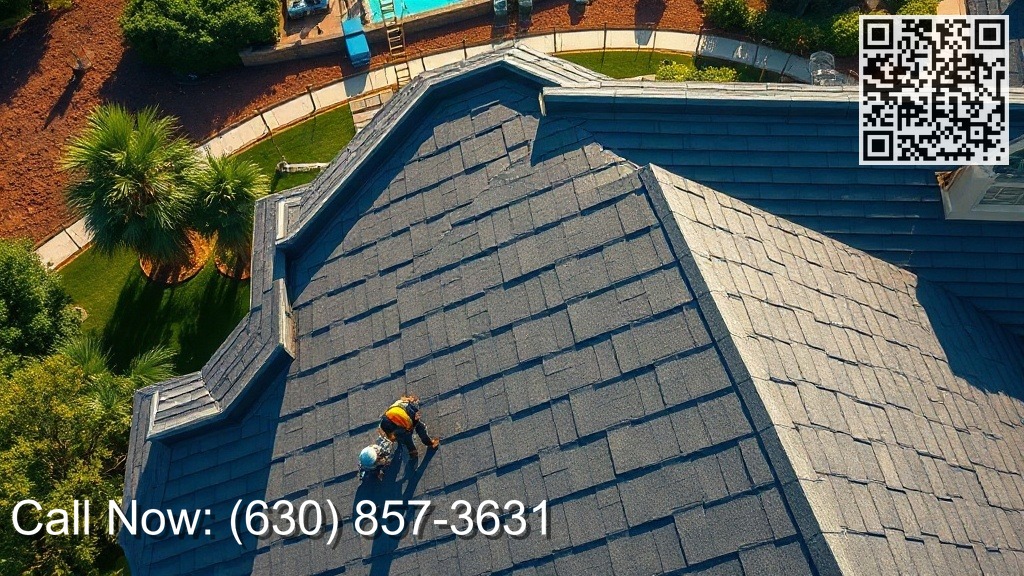
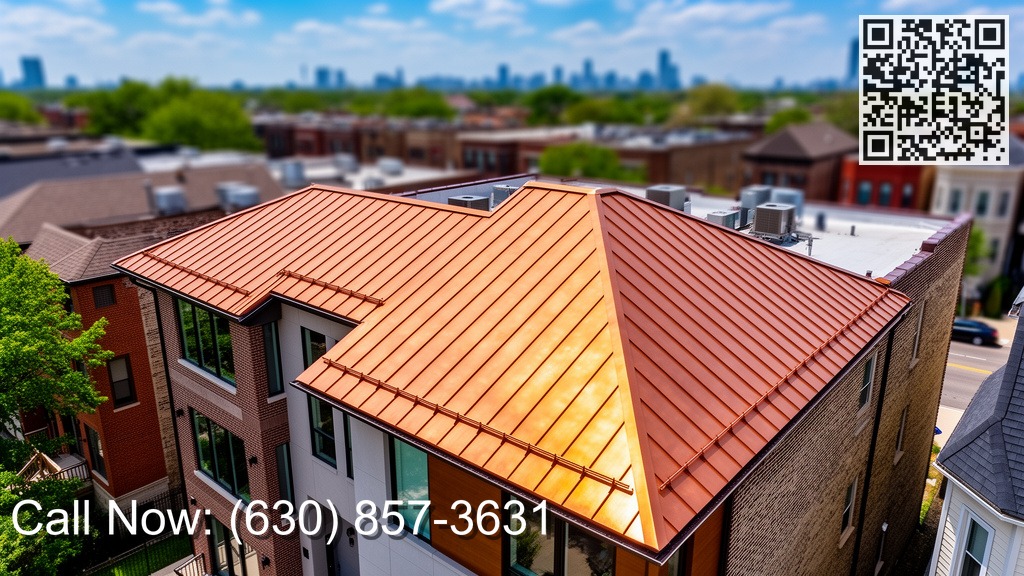
Architectural artificial roofing can imitate shake, slate, or developer accounts with a shocking degree of depth and information. On the functional side, synthetic roof covering tiles are typically lighter than all-natural slate, less prone to splitting than timber, and often extra effect immune than lots of standard roof items. Those qualities matter after repeated hail storm and wind events.
For home owners taking into consideration synthetic roof for deluxe homes, the appearance question is usually just as essential as the performance question. They desire a roofing that matches stonework, stone, stucco, or custom trim information without looking extremely made. The very best items satisfy both objectives. They stand up well under extreme weather condition and still provide a refined architectural finish.
That balance is why household synthetic roof has actually gained traction in storm-prone markets. It is not only about surviving the following climate occasion. It has to do with replacing a roofing system with something that better suits the long-lasting problems it will really face.
Storm exposure transforms the substitute formula in places like Chicagoland
Not every region stresses roof coverings similarly. Around Chicago, roofings can go from summer hail to winter freeze-thaw cycles in the very same year. Wind occasions, ice dams, temperature level swings, and dampness filling all interact. A roofing product that executes appropriately in a milder environment may mature really in a different way here.
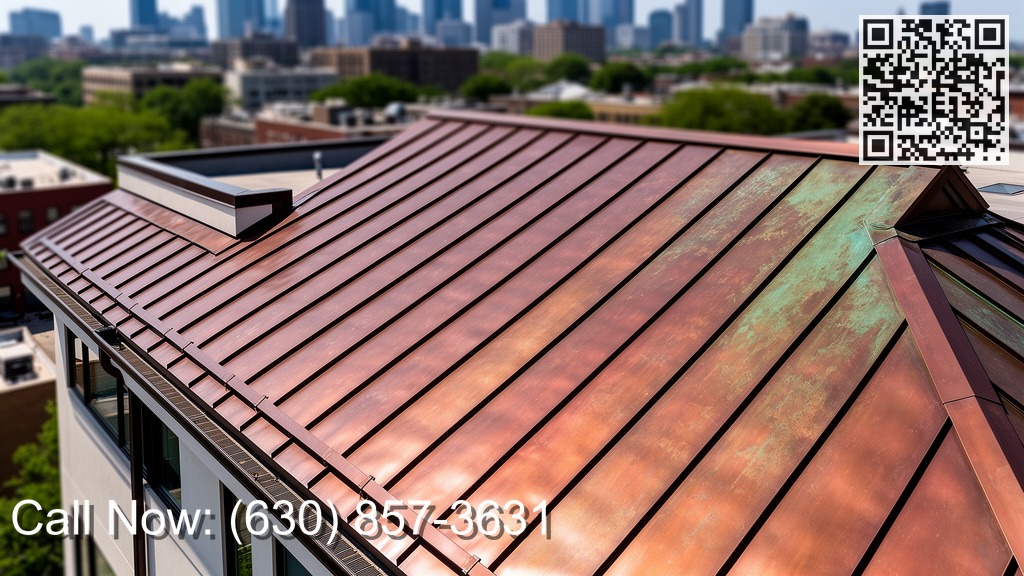
That is why conversations regarding artificial roof Chicago or artificial roof Naperville IL are often extra technological than property owners anticipate. The replacement decision is not nearly shade and profile. It has to do with ventilation approach, underlayment selection, securing approaches, flashing details, attic room conditions, and whether the product has a tried and tested document in this type of climate.
An excellent synthetic roofer Chicagoland property owners can rely on will normally begin with a system-level review. That indicates looking beyond the tiles themselves and examining the deck, intake and exhaust air flow, insulation communication, flashing, valleys, ridges, and drain paths. Storm resistance is never ever just concerning the exposed surface area. It has to do with how the entire setting up is built.
When repair still makes sense
Not every storm-damaged roof covering ought to be replaced. Often the damages is isolated, the roof is fairly new, matching materials are offered, and the underlying system is still audio. In that instance, a targeted repair work is reasonable and cost-efficient.
This is particularly true when the roof has actually not had a history of persisting leakages or duplicated insurance claims, and the storm occasion clearly impacted one area as opposed to the whole structure. A measured service provider needs to be willing to claim that a repair suffices when the realities sustain it.
Still, there is a distinction in between a repairable roof and a roof covering that is simply patchable. A patchable roofing system can accept an additional fix. A repairable roof covering can be recovered to trustworthy service without setting up the next failure. That difference matters. House owners commonly do not hear it plainly enough.
What synthetic products provide after repeated hailstorm and wind events
The charm of synthetic roof comes to be clearer when you contrast them to the weak points of storm-worn traditional roof coverings. Much better artificial products are made to stand up to breaking, splitting, wetness absorption, and UV deterioration over long service periods. Lots of are additionally engineered to preserve shape and look more regularly than all-natural materials exposed to repeated freeze-thaw cycles.
That can be particularly valuable on intricate roofing systems with dormers, hips, valleys, and ornamental changes. Those information are attractive, but they also produce much more edges, even more cuts, and much more areas where wind-driven water can evaluate the setup. A well-designed artificial roofing system installation can help simplify upkeep while protecting the upscale appearance that made complex rooflines usually demand.
Another useful benefit is weight. Property owners thinking about a slate-style appearance might not have the architectural capability for natural slate without reinforcement. Building artificial roof covering can offer a similar visual effect without the exact same dead tons. That can open up style options that would certainly otherwise be cost-prohibitive.
The installation matters as long as the material
A strong product set up improperly is still a weak roofing system. I have actually seen property owners spend for costs artificial roofing and end up disappointed due to the fact that shortcuts were taken on layout, attachment, blinking assimilation, or ventilation. They assumed they were buying storm resistance, however what they actually acquired was a premium-looking surface area laid over unsettled problems.
That is why choosing the https://ziontxhh043.lumenforgex.com/posts/building-artificial-roof-covering-that-combines-elegance-and-weather-resistance best artificial roof covering company matters just as much as choosing the product. A professional synthetic roofing contractor must be able to describe not only why a specific item fits your home, however just how it will certainly be installed in detail. Ask direct concerns. How are valleys being managed? What underlayment is defined? How will ridge air flow be stabilized with soffit consumption? Are flashings being changed or reused? Will the old decking be examined and documented during tear-off?
The best synthetic roofing system installers are normally extremely comfy with those inquiries. They have actually answered them lot of times. They know that repeated tornado damages is often a symptom of weaknesses that existed before the latest weather condition occasion. Their job is not to conceal those weaknesses under brand-new material. It is to remedy them.
A brief real-world pattern home owners often recognize
A rather common situation appears like this. A residence has an aging asphalt roof that has actually already gone through one hail claim. A couple of years later on, one more storm damages a various incline. A repair is made, however the materials no more match flawlessly, and the older shingles nearby are breakable. The adhering to wintertime, a leak appears near a valley where old and brand-new areas satisfy. By spring, the property owner has paid one insurance deductible, one out-of-pocket repair, and one interior drywall bill.
At that factor, the irritation is no more about one leak. It has to do with confidence. The homeowner does not rely on the roof anymore.
That is commonly the moment when artificial roof substitute ends up being the a lot more sensible path. Not because the old roofing stopped working all at once, yet due to the fact that it stopped working in a way that produced unpredictability every period. A substitute can reset the system, solve hidden weaknesses, and minimize the odds of duplicating the exact same pattern.
How to evaluate whether the timing is right
There is no global year or tornado count that determines replacement. The choice ought to hinge on condition, repair work history, and future direct exposure. If you are trying to judge the timing, focus on a couple of practical questions.
Ask whether the roof can still be brought back as a unified system, not simply patched aesthetically. Ask whether future matching repair work are most likely to be offered. Ask whether the underlying deck and flashing details continue to be dependable. Ask whether the roofing system's age makes each brand-new storm disproportionately expensive. Most notably, ask whether another repair would really improve integrity or merely postpone a replacement that is currently becoming inevitable.
Sometimes property owners think twice because a full replacement feels like a big leap. That is reasonable. Yet doubt can end up being pricey if the roofing is already in decrease. Recurring wetness intrusion hardly ever gets less costly with time.
Insurance, aesthetic appeals, and resale all play a role
Repeated storm damage frequently brings insurance coverage into the conversation, however insurance policy should not be the single vehicle driver of the decision. Protection varies, and case outcomes depend on the cause, level, age, and plan terms. What issues from a homeowner's perspective is whether the roof covering you pick next will leave you in a better placement than the one you are replacing.
For some houses, that means picking synthetic roofing roof shingles with a profile near the original roof covering to keep area uniformity. For others, particularly owners of custom homes, artificial roof covering for luxury homes may provide a chance to enhance both suppress charm and resilience at the same time. An appropriate roofing system can hone the design of a house, not just safeguard it.
Resale worth gets in the discussion also, though it must be viewed realistically. A new roofing hardly ever returns dollar-for-dollar worth by itself. What it does do is remove a major argument. Customers notice covered, irregular, storm-worn roofings. They also notice high-grade synthetic roofings that look considerable and current. In competitive markets, that distinction can impact just how rapidly a home actions and just how much negotiating stress the vendor faces.
Questions worth asking prior to you commit
If you are reviewing a substitute after duplicated tornados, the top quality of the discussion you have with the service provider will certainly tell you a great deal. Solid professionals often tend to welcome comprehensive inquiries since they understand the choice is substantial. At a minimum, you ought to come away with clear responses on these points:
- Why is substitute advised currently as opposed to another repair?
- Which artificial roof fit this home and climate, and why?
- What concealed concerns might be revealed throughout tear-off, and just how are they handled?
- Who will perform the synthetic roof covering installation, business teams or subcontractors?
- What handiwork securities and manufacturer needs apply to this project?
Those answers need to be specific to your roof, not common sales language. If a contractor jumps straight to item brochures without very carefully checking the roof, attic, drainage, and blinking conditions, that is a warning sign. Tornado durability is constructed with details.
The best factor to replace is not fear, it is predictability
Homeowners sometimes think roof substitute decisions are driven by worry of the next tornado. In my experience, the far better factor is predictability. When a roof has actually suffered repetitive damage, and once repair work stop recovering confidence, the objective shifts. You desire a roof that does extra dependably, requires less responsive choices, and fits the conditions your home really faces year after year.
That is where costs artificial roof covering typically verifies its value. It can provide the architectural personality several property owners desire, with more powerful resistance to the type of influence, dampness, and weather biking that wear down more at risk products. In markets with extreme seasonal shifts, specifically where house owners are actively trying to find artificial roof covering Chicago remedies or a trusted synthetic roofing contractor in the surrounding residential areas, that worth becomes more concrete with every storm season.
If your roofing system has actually gone into the cycle of persisting damage, persisting fixings, and persisting question, it might be time to quit treating the symptoms. A very carefully prepared artificial roof replacement can turn an uncertain liability back into a resilient, cohesive component of the home. That is generally the factor when substitute quits sensation like an upgrade and begins sensation like the sensible following step.
When Quality Matters
Salvo Architectural Roofing Contractors
566 West 5th Ave Naperville, IL 60563
(630) 857-3631
 Ask ChatGPT
 Ask Grok
 Ask Perplexity
 Ask Claude
 Ask Google AI
 Ask You