Just How Synthetic Roofing Roof Shingles Withstand Snow Plenties and Heat Waves
Homeowners usually notice a roofing system when it leaks, loses granules into the gutter, or begins to curl at the edges. Professionals notice another thing first, exactly how a roof covering deals with stress with time. Snow tons, freeze-thaw cycles, wind-driven ice, attic warmth buildup, straight summer season sun, and abrupt temperature level swings all leave hints. Those ideas show up in broken tabs, popped bolts, distorted outdoor decking, reduced life span, and, in extreme situations, architectural strain.
That is why synthetic roof covering roof shingles have actually attracted so much interest in the last few years. They are usually marketed for appearances, especially when a house owner desires the account of slate, cedar shake, or various other high-end materials. But their performance tale matters equally as much. When you are comparing roof products for a region that sees both heavy winter season storms and punishing summertime warmth, appearance is only part of the equation.
In markets like the Midwest, and specifically around synthetic roof covering Chicago tasks, the climate can turn from subzero wind chills in January to rooftop surface temperature levels well over 140 degrees in July. A material that performs beautifully in moderate environments can struggle below. The better synthetic roof are made with that said fact in mind, though design quality, setup top quality, attic ventilation, and architectural conditions still figure out whether the roofing prospers or simply survives.
What "synthetic" implies on an actual roof
Synthetic roofing shingles are made items made to imitate traditional roofing materials while decreasing several of their weaknesses. Relying on the brand name and product line, they may be made from crafted polymers, recycled composites, virgin resins, rubber-plastic blends, or various other exclusive formulas. The group is wide, which is why performance can vary more than homeowners expect.
A premium artificial roofing product is not simply "plastic roof." That label misses the engineering entailed. Good products are built for influence resistance, UV stability, dimensional uniformity, and regulated flexibility. Substandard items can end up being weak in cold weather, soften too much in heat, fade erratically, or fail around securing factors. I have actually seen both ends of that spectrum. On one roof covering, a synthetic shake line handled a ruthless winter without splitting. On one more, lower-grade imitation slate started warping where warmth showed off a neighboring masonry wall.
That distinction is one factor the installer matters a lot. A knowledgeable synthetic roofing contractor knows that not all artificial roofing roof shingles reduced, fasten, and blink the same way. An item can have outstanding laboratory data and still underperform if the staff spaces fasteners incorrectly, leaves poor air flow, or neglects producer temperature standards during installation.
Snow load is not almost the shingle
When homeowners ask whether synthetic roof coverings can "hold snow," the solution needs context. Snow tons is mostly a structural issue before it becomes a roof shingles issue. Roof outdoor decking, framing periods, truss style, pitch, and regional code demands figure out just how much weight the roof assembly can sustain. The tile itself is only one layer because system.
Still, the external roof product issues because it affects how snow acts and exactly how the setting up reacts. A hefty natural slate roof covering starts with a much better dead lots than a light-weight synthetic choice. That leaves much less margin when a significant storm goes down wet, thick snow. One practical advantage of building artificial roof is weight decrease. An artificial slate product can provide the aesthetic depth of quarried stone at a fraction of the weight, which is particularly valuable throughout artificial roof replacement on older homes that were not originally framed for true slate.
This issues on custom homes and historic-style houses where the proprietor desires costs synthetic roof or synthetic roof for deluxe homes without straining the structure with an extremely heavy covering. Lighter roofing products do not amazingly make a roofing unsusceptible to snow problems, however they can lower constant tons on the structure year-round.
How snow actually stresses a roofing system surface
Snow puts a roofing via several sort of tension at once. Weight is the obvious one, however it is not the only worry. Melting and refreezing around the eaves can create ice dams. Loaded snow can obstruct drainage courses. Temperature level distinctions in between attic room rooms and roofing surface areas can accelerate thawing in some locations while others stay frozen strong. That uneven cycle drives water under shingles and around flashings.
Synthetic roofing tiles can carry out well here since several continue to be more flexible than traditional fragile products in very cold weather. That adaptability helps them take in small activity without breaking. On roofing systems that cycle continuously between daytime melting and nighttime refreezing, that quality is valuable.
The caution is that not every artificial item takes care of cool similarly. Some lower-end items end up being stiff when temperatures plunge. Others may resist cracking yet still permit moisture intrusion if installation details are poor. This is why a certified artificial roofing business pays very close attention to underlayment choice, blinking changes, ridge vent details, and eave defense. In snow country, the setting up under the visible roof matters virtually as much as the visible roof itself.
A roof in Naperville or the broader Chicagoland location, for example, may go through a number of freeze-thaw swings in a solitary month. On homes that have cathedral ceilings, complicated valleys, dormers, and lengthy gutter runs, those conditions can subject faster ways rapidly. A trusted artificial roofer Chicagoland property owners depend on will evaluate insulation degrees and attic airflow before making wide pledges about wintertime performance.
The role of roofing pitch and snow shedding
Pitch affects just how much snow gathers and just how promptly it slides. Steeper roofing systems have a tendency to drop snow quicker, although structure, temperature, and sunlight direct exposure all influence that procedure. Some synthetic roof roof shingles have surface accounts that imitate cedar or slate so well that they additionally influence snow retention. That can be good or negative depending on the design.
If snow launches too rapidly in big sheets, it can damage gutters, landscaping, and access locations. If it clings also lengthy on a roof covering with well-known structural restrictions, the weight can come to be a worry. The ideal equilibrium depends on the home. I have seen high roofing systems where snow guards were necessary to manage launch, and lower-slope ornamental sections where the bigger problem was extended melting at the eaves.
This is where genuine website judgment matters greater than sales brochure language. Residential synthetic roofing is not one-size-fits-all. 2 residences on the very same road can require various detailing since one has huge south-facing roofing system aircrafts over warmed home and the other has an aerated attic room with fully grown shade trees.
Heat waves examine a different collection of properties
Summer punishes roofing materials in quieter methods. Rather than significant ice buildup or noticeable snowdrifts, you get unrelenting UV exposure, thermal expansion, warm attic room air, and surface area temperature levels that much go beyond the outdoor reading. On a warm day, a dark roofing can become warm enough to soften low-quality products, increase aging, and telegraph defects that did disappoint up in milder conditions.
Well-made synthetic roofing systems are formulated to resist UV destruction and maintain dimensional stability under warm. That implies they ought to not curl, split, or shed shape simply due to the fact that the roof covering bakes for days at once. Better items additionally hold color a lot more constantly, though every roof covering discolors somewhat gradually. The question is whether that fading takes place slowly and evenly, or patchily and prematurely.
Heat waves additionally subject fastening concerns. If tiles broaden and agreement continuously, bad nailing patterns or insufficient fastening can show up as shifting, rattling, or distortion. Experienced synthetic roofing system installers understand that warm performance is not nearly the roof shingles formula. It is also about spacing, fastening, ventilation, and whether the roof deck is dry, flat, and appropriately prepared prior to installation begins.
Why lightweight can help in both winter and summer
A lighter roofing product reduces fixed load in winter, however it likewise changes how crews take care of installment and future upkeep. Synthetic roof covering shingles are typically easier to present and cross the roof than true slate or concrete floor tile. That can minimize breakage throughout installation and make repair services much less invasive if one area is ever harmed by a fallen arm or leg or serious hail.
In hot weather, reduced mass does not automatically imply a cooler roof surface. Reflectivity, color, ventilation, and setting up design play larger functions. But lighter products can still benefit the home because they position much less strain on the framework and typically streamline retrofit applications. During a synthetic roofing system substitute, that can mean less framing alterations compared to converting to extremely heavy standard materials.
For higher-end homes, this is especially appealing. Several proprietors desire the deepness and appearance of slate or hand-split cedar without the structural charges or maintenance headaches. That is a key factor artificial roof for luxury homes has obtained grip. It supplies the visual ambition of costs roof while staying sensible for modern framing and code expectations.
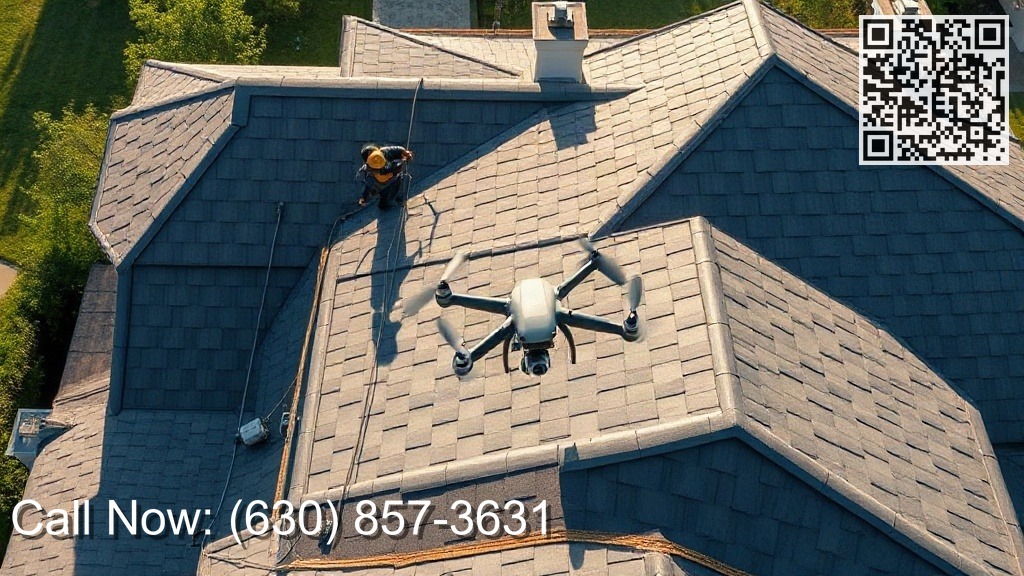
Ventilation chooses greater than a lot of house owners realize
I have actually seen roofing systems criticized for problems that were really attic room issues. A roof covering can just do so a lot if warm, damp air obtains caught below it. In winter months, bad air flow adds to unequal melting, ice dams, and condensation. In summertime, it drives up deck temperatures and can age the roof covering from beneath.
Synthetic roofings gain from balanced consumption and exhaust air flow similar to other steep-slope systems. If the attic is under-ventilated, the roof might run hotter, and that additional thermal load can minimize service life. If insulation is unequal, cozy interior air may develop isolated melt areas under snowpack, which is one of the timeless configurations for ice dam formation.
A cautious synthetic roofing installation normally starts with inquiries past the tile choice itself. How is the attic vented? Is the existing decking audio? Are there indicators of wetness staining or mold and mildew? Are shower room followers exhausting into the attic room as opposed to exterior? A skilled synthetic roofer asks these concerns because long-term performance depends on the entire assembly, not simply the visible finish.
Installation details that matter in extreme weather
Two roofs can utilize the same item and age really in a different way due to craftsmanship. Under snow and warm stress, small information end up being huge issues. Valleys require to relocate water fast. Flashings around chimneys and sidewalls require to remain watertight via growth and tightening. Fasteners need proper positioning and depth. Starter training courses need to stand up to wind uplift. Underlayment requires to fit the environment, particularly in freeze-thaw regions.
The ideal staffs do not hurry this job. An artificial roofing firm with strong area technique will examine deck monotony, verify the manufacturer's fastening pattern, and adhere to temperature-specific handling guidance. Some synthetics reduced easily in cool climate however come to be much more versatile in direct sunlight. Others call for specific storage space and hosting so bundles do not flaw prior to installation. These are not glamorous information, yet they separate resilient results from pricey callbacks.
Here are the field details I pay the closest interest to on weather-exposed projects:
- Ice and water defense at eaves, valleys, and prone transitions.
- Ventilation style that matches the home's insulation and roofing system geometry.
- Manufacturer-approved attachment patterns for local wind and environment demands.
- Flashing assimilation around penetrations, stonework, and wall surface intersections.
- Product handling throughout extremely cold or really hot setup days.
That listing looks fundamental, but roof failures commonly begin in exactly those places.
How synthetics compare with various other premium materials
Natural slate remains among the most durable roofing materials offered, yet it is hefty, expensive, and highly depending on specialized setup skill. Cedar has heat and character, yet it requires recurring upkeep and can weather unpredictably relying on climate and sun direct exposure. Asphalt tiles know and affordable, though common grades often do not deliver the very same long life, effect resistance, or building existence as higher-end alternatives.
Architectural artificial roof covering occupies a helpful happy medium. It offers property owners a refined account with less weight than slate and less regular upkeep than cedar. In most cases, it additionally provides much better impact resistance than fragile natural materials. For homes in environments noted by both snow accumulation and warm spikes, that equilibrium is compelling.
That stated, synthetic is not automatically premium in every situation. An inadequately made synthetic product can mature severely. A home https://cristianyezy900.ironwoodscope.com/posts/building-synthetic-roof-that-integrates-appeal-and-climate-resistance owner expecting a bargain rate might be disappointed, since costs synthetic roofing usually sets you back more than conventional asphalt. And on historically sensitive buildings, conservation policies may limit acceptable product options. Great decisions come from matching the product to your house, environment, budget, and efficiency goals.
What house owners in Chicagoland should listen to
A roofing system in this region needs to handle lake-influenced weather condition swings, wet springtime tornados, hail storm pockets, deep cold wave, and warm summer stretches. If you are thinking about artificial roof Naperville IL or somewhere else in the residential areas, ask less about marketing buzzwords and even more regarding neighborhood track record. Just how has the item took care of ice dams? Has the installer used it on comparable rooflines? What service warranty support exists if a set problem appears years later?
For synthetic roof covering Chicago jobs, I would certainly pay particular interest to attic problems and drain paths. Older homes often have ventilation peculiarities, patched outdoor decking, or additions that altered the original air flow. Newer personalized homes may have dramatic roofing geometry that looks exceptional however creates focused overflow and snow collection areas. Both need cautious planning.
Homeowners ought to also understand that even the best synthetic roofing systems benefit from regular inspection. After a serious wintertime or an extended heat wave, a professional appointment can capture tiny blinking issues, blocked vents, or separated impact damages prior to they end up being interior leaks.
A couple of functional inquiries are worth asking any artificial roofer prior to finalizing:
- Which artificial products have you installed locally for at least several years?
- How do you take care of ventilation analysis before synthetic roof installation?
- What underlayment and ice barrier details do you define for this climate?
- Who registers service warranties, and what handiwork coverage do you provide?
- Can you show instances of finished residential synthetic roofing projects nearby?
Clear responses generally tell you a lot concerning the high quality of the company.
The maintenance reality
One factor homeowners incline synthetic roof coverings is the promise of reduced upkeep. That pledge is mostly reasonable, with limitations. Synthetic roof covering roof shingles usually do not call for the same upkeep as cedar, and they prevent several of the frailty issues associated with all-natural slate. But "reduced maintenance" does not mean "no upkeep."
Debris needs to still be removed from valleys and gutters. Looming branches ought to still be trimmed back to reduce abrasion and influence threat. Sealants and flashings still age. If snow slides greatly near access or strolls, snow management accessories may still be required. On big homes, especially those with numerous roofing levels, regular examination continues to be wise insurance.
From a service provider's perspective, the very best synthetic roofings often tend to be the ones that combine quality product selection with disciplined installation and realistic proprietor assumptions. When those pieces line up, the product usually deals with snow tons and warm front very well. When one piece is missing out on, troubles comply with faster than the sales literature suggests.
Where synthetic roof shingles make the most sense
Synthetic roofing often shines on homes where the owner desires a superior look, lowered structural load, much better effect resistance, and less upkeep than all-natural wood or rock. It is also a solid prospect for synthetic roofing system replacement when an aging roof needs an upgrade in both visual allure and weather performance.
That does not imply every house requires it. An easy cattle ranch with a small spending plan might be much better offered by a premium architectural asphalt system if the layout goals are functional instead of visual. But for property owners who care about long-term appearance, climate durability, and reduced weight, costs artificial roofing is entitled to a severe look.
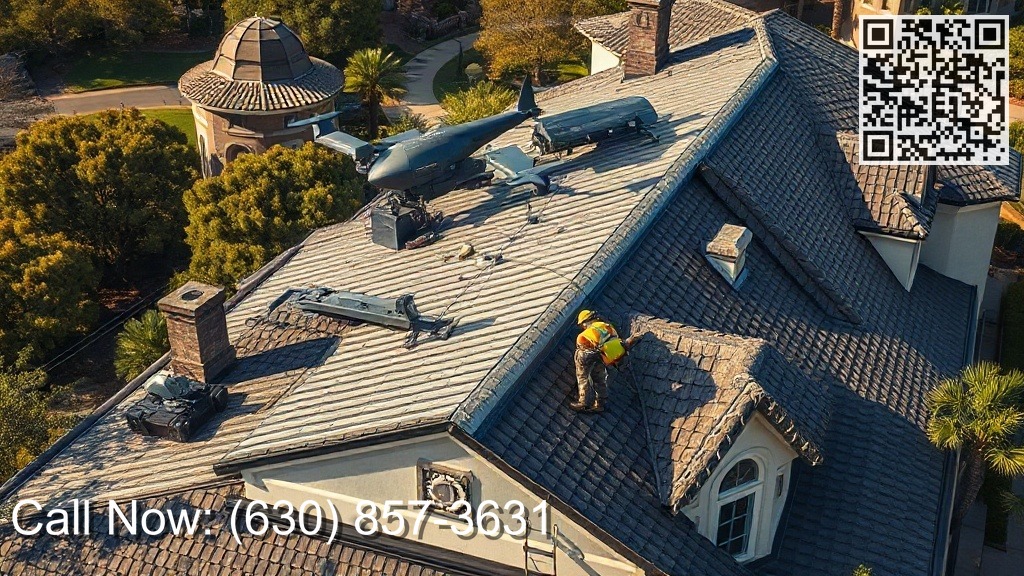
The best jobs I see share an usual quality. The homeowners are denying a tag, they are getting a system. They select a proven product, demand careful artificial roofing installers, address air flow and insulation, and deal with the roofing as part of the home's general structure envelope. That is exactly how artificial roofing roof shingles gain their reputation in extreme climates.
Snow and warm are not mild examinations. They subject weak materials, hurried installation, and inadequate assembly design. Quality synthetic roofing systems can stand up to both, typically impressively well, yet only when the product and the craftsmanship are just as strong. That is the typical worth holding.
When Quality Matters
Salvo Architectural Roofing Contractors
566 West 5th Ave Naperville, IL 60563
(630) 857-3631
 Ask ChatGPT
 Ask Grok
 Ask Perplexity
 Ask Claude
 Ask Google AI
 Ask You